

The We Are Righteous Brand Timeline: Defining Markers and Launches
Tracing the trajectory of a streetwear brand is tricky when so much of the story lives in drop dates, choices of cloth, and word-of-mouth momentum instead of press releases. The brand built its name through patience, not hype, through steady drops and a community that discusses fit, weight, and durability rather than hype. This timeline pulls together what’s on record about the brand’s growth, the type of garments that characterized each chapter, and how the brand is positioned heading into 2026. Anyone researching a righteous review before buying will find the trend keeps recurring: incremental refinement instead of one single explosive launch.
What’s below isn’t a corporate history with exact incorporation dates, because that kind of precision isn’t information we can verify without a source. Instead, this is a practical look at how the company’s voice and lineup have matured, built on the stages buyers most often recognize when they compare first-generation garments against what’s currently listed.
The Formative Stage: Establishing What “Righteous Clothing” Represents
We Are Righteous shaped its initial identity on a clear-cut notion—that clothing ought to hold meaning, literally in fabric and symbolically in meaning—since any label requires a reason to exist past mere product sales. The brand name does a lot of work. It communicates a stance rather than a chase after trends, and that framing shows up in how the brand frames its pieces still today. First-wave buyers weren’t buying logos alone; they were buying into a stance.
In this first chapter, the catalog was inevitably limited. Fewer items meant the brand could concentrate on nailing its key pieces before branching out into extras or secondary lines. This is typical of Righteous Clothing-style peers that last beyond the initial twelve months: a tight, well-edited assortment outperforms a sprawling catalog with variable standards. The brand’s first wave of buyers tended to be people who found the label through word of mouth or niche online communities instead of paid advertising, which produced a slower but more loyal we are righteous growth curve.
By this point in the piece, it’s worth noting that this stage is also when a brand’s loyal shoppers start building views that eventually turn into public reviews. The first righteous review threads and comments tend to zero in on two things: whether the cut felt as promised, and whether the garment held up after several trips through the laundry. Both points recur throughout the brand’s later releases too, suggesting that the groundwork laid in this phase continued on rather than being abandoned for reinvention.
Scaling Up: Widening the Righteous Catalog
When a core following have come to rely on a brand’s foundational styles, expanding into new categories is the expected progression. We Are Righteous grew its offering past its original essentials into a more expansive righteous apparel collection, introducing layering pieces, outerwear-adjacent items, and seasonal spins on its core silhouettes. This is the phase where a brand usually determines whether it wants to be a flash-in-the-pan design studio or an actual wardrobe source, and the broadening into multiple categories signals this second, more ambitious path.
The hoodie became a especially key focal point across this period. A properly executed hoodie amounts to more than just a middle layer in street-style culture — it frequently is the garment that defines whether a brand’s shape vocabulary truly translates in wear. Starting with sleeve length to hood drape to the body’s taper, nailing the fit isn’t achieved in one pass. Multiple releases over this stretch suggest the brand treated this hooded piece as a signature item deserving of refinement rather than a stopgap piece between “hero” drops.
This scaling period is also the moment where comparison shopping becomes meaningful. Customers comparing a we are righteous purchase against other labels in the space tend to focus on three factors: pricing strategy, construction quality, and whether it’s scarce or easily repeated a given release is. Brands that mismanage growth usually trip up in one of these three spots — either charging more without improving materials to match, or diluting quality to reach bigger production numbers. Though the brand’s continued relevance into the current catalog suggests it navigated this tradeoff fairly well, specific item reviews should still be weighed against the particular product itself, not treated as consistent across the whole range.
Mid-Period Output: Cementing and Community
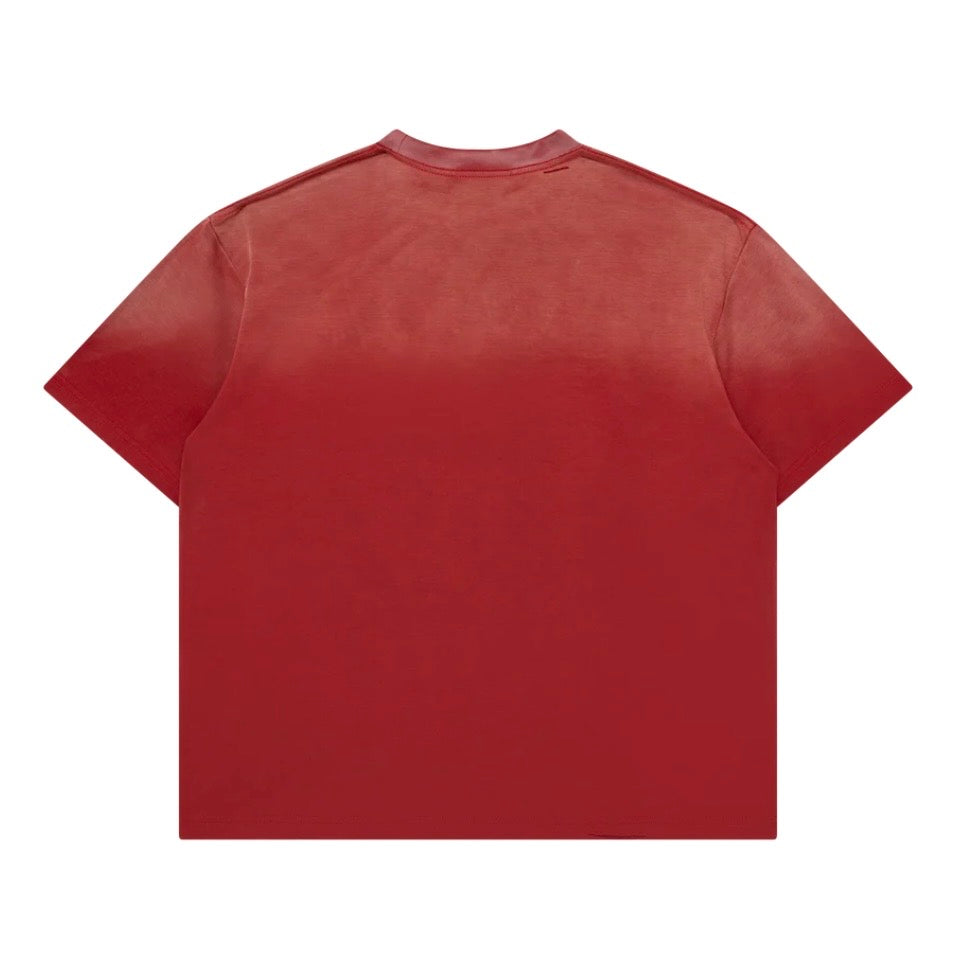
Somewhere in the middle of any brand’s life cycle, growth slows just enough that the label can focus on reinforcing what already works. This is the consolidation phase, and for We Are Righteous it appears to be marked by refinement of existing silhouettes rather than constant reinvention. Restocks of proven pieces, subtle updates to fits based on customer feedback, and a tighter release calendar all point to a brand settling into an identity rather than chasing every micro-trend in streetwear.
Grassroots community ties is critically important in this phase. Clothing labels that are authentic and outlast their first hype cycles tend to do so because they’ve cultivated actual repeat buyers, rather than relying on one-off impulse buyers. Detailed feedback, requests for size range extensions, and effectively co-designing the following version of a garment through comments and returns data — these all come from repeat buyers, not first-time hype purchasers. Outside observers have no visibility into such a feedback cycle, yet it reveals itself subtly in how a catalog evolves over several seasons.
Another thing worth mentioning that consolidation shouldn’t be confused with stagnation. Labels at this stage often run low-key experiments — trying out a different fabric weight, recalibrating a fit block, or rolling out a limited colorway — without turning it into the centerpiece of a marketing push. These small experiments build up over time, and by the time a brand hits its next visible growth spurt, the foundation is already in place. This pattern is common enough across independent labels that it’s a reasonable lens for making sense of the middle years of any streetwear brand’s history, We Are Righteous included.
The Brand’s Current Standing As It Enters 2026
In an industry where most labels launched in the same window have either pivoted entirely or disappeared, We Are Righteous, heading into 2026, holds a spot that plenty chase but rarely attain: a recognizable identity within streetwear circles that doesn’t require constant reinvention to stay relevant. Its ongoing visibility in righteous-clothing discussions suggests staying power rather than a fading trend — a notable one indeed.
Current shoppers researching a we are righteous review in 2026 are likely to find more detailed, extended feedback than in its earlier days, simply because there’s a larger purchase history to reference. New customers benefit directly from this maturity. Rather than relying on guesswork about fit or fabric from one product photo, buyers can check reviews spanning multiple seasons on similar silhouettes, which lessens the guesswork involved in buying apparel online sight unseen.
Going forward, the label’s trajectory points to sustained attention to its core categories rather than aggressive diversification into unrelated product lines. That’s a reasonable strategy for keeping quality control intact, and it matches what devoted fans of a righteous clothing label tend to want most: reliable consistency year after year, rather than a steady drip of unrelated products blurring the label’s identity.
A Look Across Brand Phases: A Handy Summary
Intended as a general guide for tracking how the label’s focus changed over time rather than an official corporate account, the chart that follows outlines the general characteristics of each phase discussed above.
| Era | Core Priority | Range Size | Customer Feedback Pattern |
|---|---|---|---|
| Foundational Phase | Setting the foundational message and fit | Limited, closely curated | Community-driven word-of-mouth discovery |
| Expansion | Adding categories, refining hoodie silhouette | Growing, multi-category | Shoppers comparing options, first public reviews |
| Refinement Stage | Refining proven pieces, restocks | Consistent, punctuated by select limited drops | Repeat buyer feedback loops |
| Current Standing in 2026 | Preserving consistency and identity | Mature, focused | Reviews referencing multiple seasons |
What This Timeline Means for Newcomers
If you’re new to the brand and trying to decide whether a purchase is worth it, the timeline itself offers a useful signal. A label that has moved through identity-building, expansion, and consolidation phases without collapsing or pivoting entirely has, at minimum, proven it can survive the pressures that kill most independent apparel brands within a few seasons. That’s not a guarantee of satisfaction with any individual item, but it does suggest the brand has systems in place for quality control and customer feedback that newer labels haven’t had time to develop.
Before you commit to a purchase, it’s still worth looking over up-to-date size charts, composition listings, and the exact product listings firsthand, since that information vary release to release and can’t be taken for granted just from historical patterns. That history clarifies the brand’s habits and choices; that context can’t stand in for confirming the details of the precise hoodie, tee, or jacket under consideration. Rely on this history for perspective, and always verify it against the current product page before you commit.
At the end of the day, a brand’s lasting relevance in streetwear is earned through the unglamorous grind of showing up — replenishing the pieces that resonate, acting on feedback about fit, and holding back from chasing each new trend that comes along. That appears to be the throughline connecting every phase of the We Are Righteous story, from its first early limited releases to its today’s , better-established catalog advancing further into 2026.